





Sensors for transport systems in intralogistics
To ensure an efficient material flow, different functional areas must be linked together – both in linked production systems and in warehouses, fulfillment centers, and distribution centers. Conveyor systems link all process steps, from goods receipt through storage and order picking to shipping.
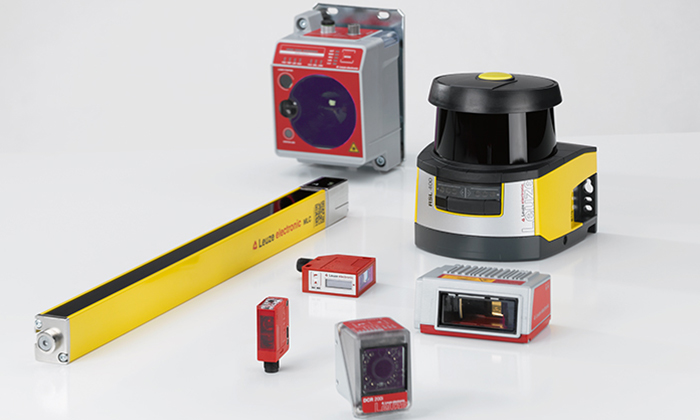
The sensors used play a central role in this process. They must reliably detect various load carriers and objects and be suitable for the respective operating conditions. In addition, they must support condition-based monitoring and predictive maintenance and enable easy replacement and integration into higher-level control and automation systems. Reliable communication and connectivity are essential prerequisites for a transparent and efficient material flow.
Your benefits with our transport system solutions
Reliable detection
Reliable detection even on shiny, reflective, or varying material surfaces

Easy network integration
Integrated bus interfaces for direct control connection

Solutions from a single source
From your requirements to the right transport system sensor solution
Sensor solutions for various transport systems
Every transport system has its own sensor and safety solution requirements. Find the right solution for your application.
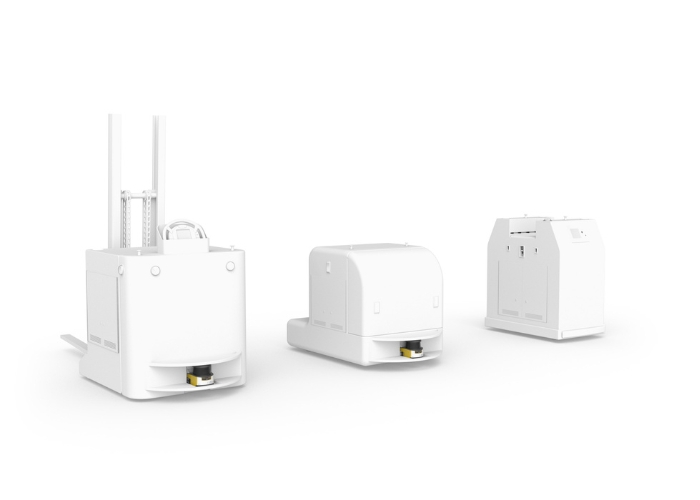
Customer projects and references
Reliable and efficient material flows are the foundation of high-performance intralogistics. Real-world examples demonstrate how sensor solutions from Leuze meet specific requirements in various applications and boost process reliability, system availability, and the efficiency of automated material flow processes.
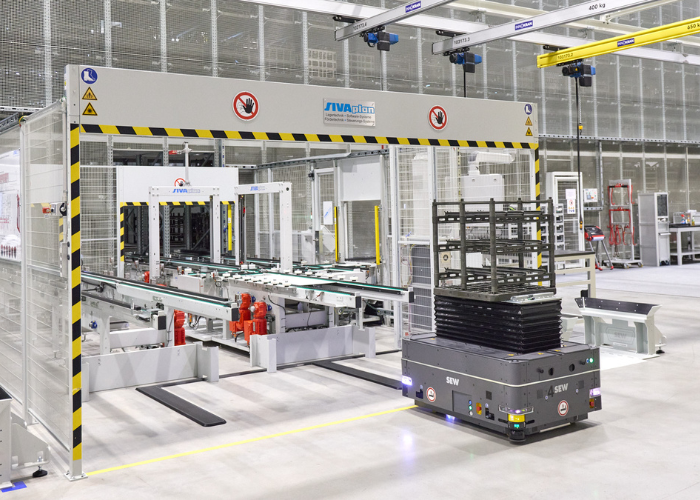
Safe processes in the high-bay warehouse at SEW-EURODRIVE
The sensor solutions from Leuze ensure safe material flows, precise positioning, and reliable operations in the automated production buffer storage.
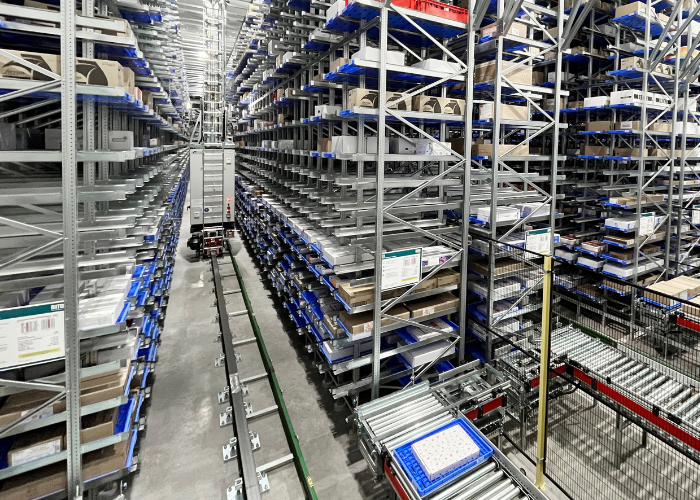
Precise positioning in the deep-freeze warehouse at Früchte Jork
Leuze sensor technology enables reliable stacker crane positioning and supports efficient processes even at low temperatures.
Transport systems for automated material flow
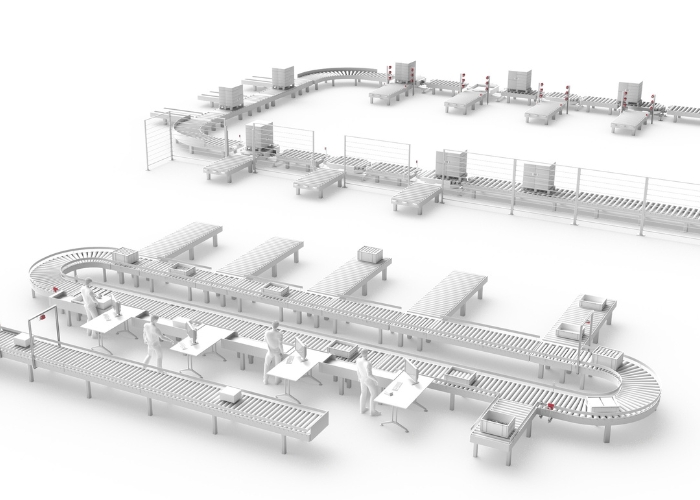
Transport systems are the backbone of every warehouse and distribution center. To cover the entire storage process within a single system – from the goods receipt and temporary storage, e.g., in a high-bay warehouse, through order picking, to retrieval for dispatch – conveyor systems are arranged in a closed circuit, often using continuous conveyors. New goods and load carriers containing items for picking enter the system. Load carriers leave the system with remaining stock, which is returned to storage, and completed orders for dispatch to customers via shipping and transport logistics.
The selection of the appropriate transport technology depends on various factors. These include the nature and dimensions of the goods to be transported, the physical layout of the overall system, the range of products, and the required transport capacity. Other key criteria include flexibility in adapting the material flow and the desired level of automation.
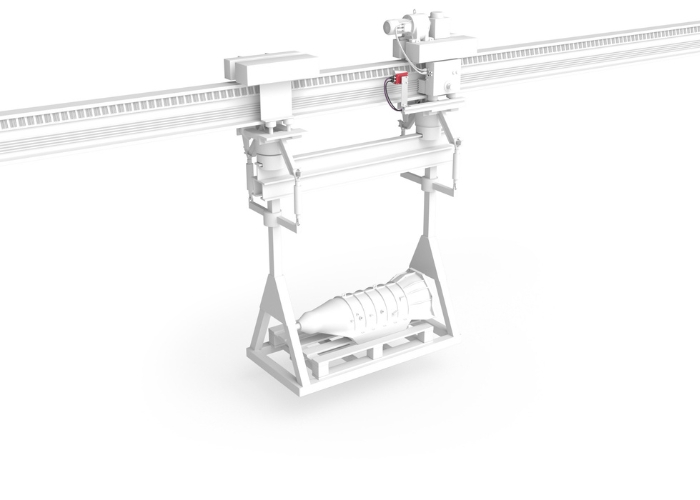
The transport systems used differ in their design, function, and flexibility. The range extends from continuous conveyors, such as conveyor belts for smaller objects and cartons, roller conveyors for containers and pallets, and chain conveyors for heavy goods and pallets, to rail-mounted transfer wagons and electrical monorail systems. This range is complemented by flexible automated guided vehicles (AGVs) and autonomous mobile robots (AMRs), which are particularly well-suited for dynamic material flow concepts with variable transport routes.

Frequently asked questions about transport systems in intralogistics
Transport systems form the backbone of internal material flow – in distribution centers, for warehouse loading, and in the supply of materials to production systems. They link the individual process steps and ensure a continuous, efficient flow of goods and materials.
The transport system used can generally be divided into stationary and mobile systems. Stationary solutions include continuous conveyors such as roller, chain, and belt conveyors, as well as electrical monorail systems. Mobile transport systems include automated guided vehicles (AGVs), track-guided transport vehicles, and autonomous mobile robots (AMRs). Depending on the requirements, these technologies enable the material flow to be designed to meet specific needs – ranging from fixed transport routes to flexible, dynamically adaptable transport processes.
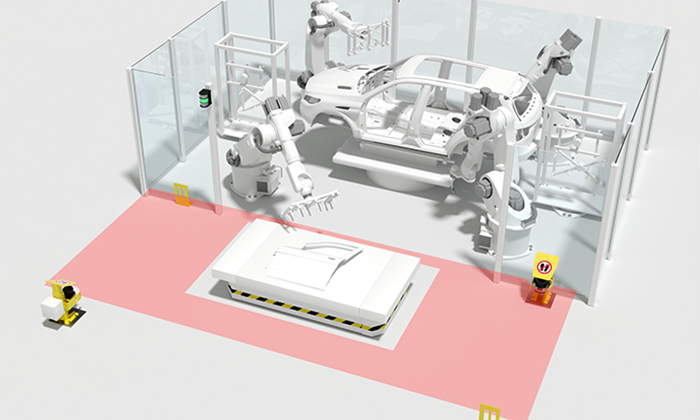
The requirements for controlling and monitoring material flow vary depending on the type of transport system used. These include the control of individual conveyor sections, the identification of load carriers, the monitoring of object distances, and the precise positioning and navigation of transport units. In addition, appropriate safety solutions are required to monitor dangerous areas and ensure the protection of employees in the vicinity of the conveyor systems.
In general, nearly all types of goods can be transported using the appropriate transport system. The variety of transport system solutions stems from the different transported goods, conveyor, load capacity, and process flow requirements.
Conveyor systems ensure a continuous flow of goods and materials that is fully traceable through the use of appropriate identification and sensor solutions. As such, they form the backbone of numerous production and distribution processes and lay the foundation for transparent, efficient, and reliable operations.