





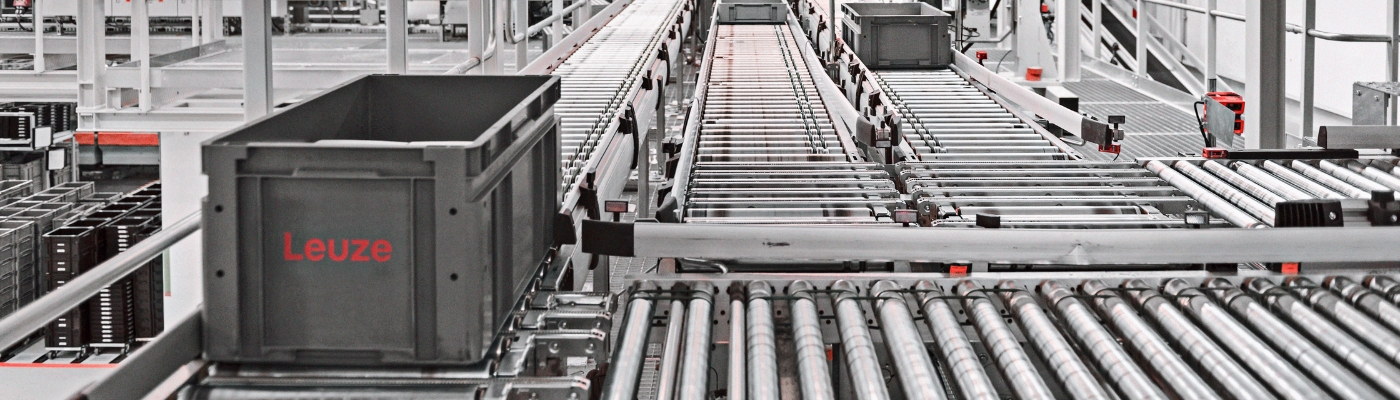
Intralogistics and distribution logistics – Intelligent sensor and safety solutions
Intralogistics refers to internal, typically closed material flow processes within a company. The term encompasses both production logistics and distribution logistics, in which goods and products are transported, temporarily stored, picked, shipped and distributed on an order-by-order basis. Various technologies and processes are used to ensure an efficient material flow. These include transport systems for the internal transport of goods, storage systems for automated storage and retrieval, order picking for order-based preparation of goods, and palletizing for storage, transport, and shipping. The right sensor technology is equally important to enable reliable processes, high transparency, and precise process control.
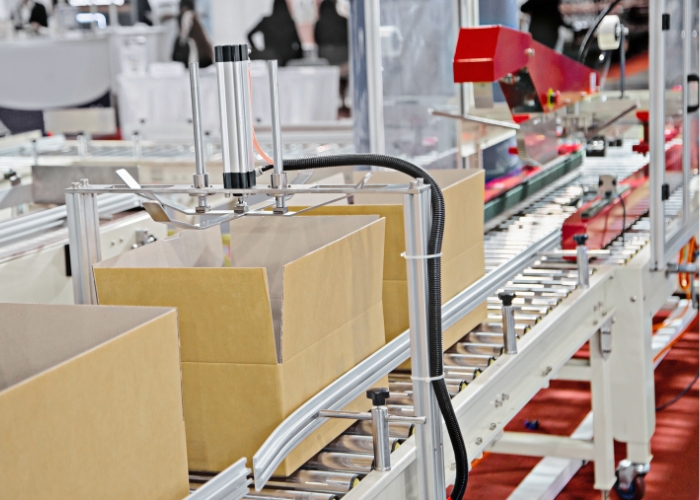
Sensor solutions for transport systems
This includes all automated transport technologies: continuous conveyors, electrical monorail systems, as well as automated guided vehicles (AGVs). These systems transport goods from a starting point to a destination and can be used in production, distribution centers, and warehouse supply operations.
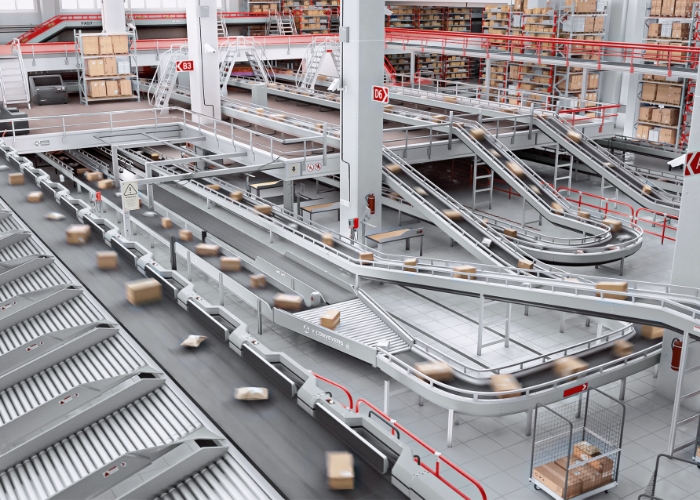
Sensor solutions for storage systems
These include all technologies for automated storage: rail-guided stacker cranes, shuttle systems combined with elevators and cranes, as well as side-tracking shelves for optimizing storage space. Depending on the warehouse structure, level of automation, and the load carriers used, these systems support efficient storage and retrieval in automated warehouses.
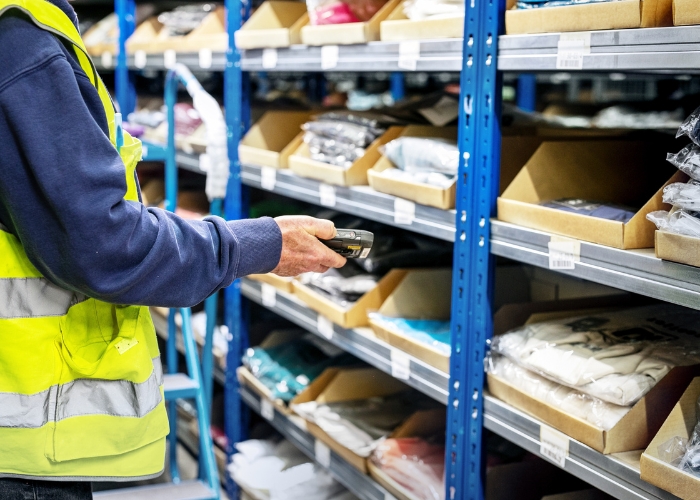
Sensor solutions for order picking
For the distribution of goods to customers, the required items are retrieved from warehouse stocks and transported in containers, pallets, or similar load carriers to a picking station. There, they are picked according to the order, for example, with the help of a pick-to-light system, then scanned, registered, and forwarded for shipping. Any unneeded remaining stock is returned to the warehouse. To ensure an efficient process, the seamless integration of automated and manual processes is of particular importance.
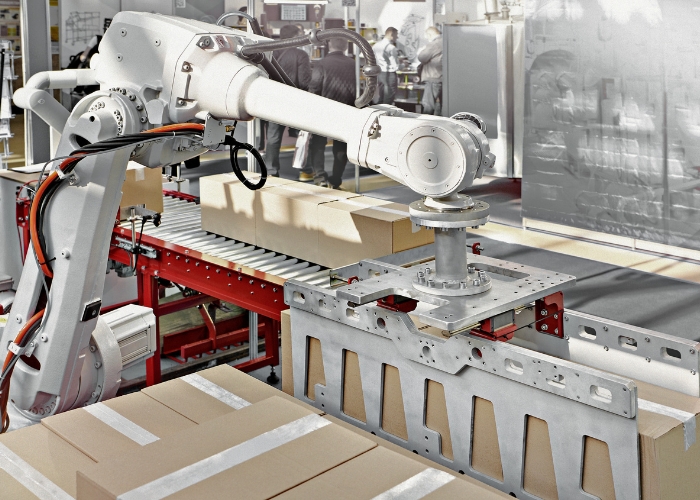
Sensor solutions for palletizing
After picking, the goods are transported via transport systems to the palletizing and shipping areas. This process is of central importance both in traditional intralogistics and in packaging processes within the consumer goods industry.
The sensor technology covers a wide range of applications – from automated stacking and transport safety to the detection of shipping labels. In addition, safety applications ensure the reliable protection of staff in this area.

Material flow in intralogistics and distribution logistics
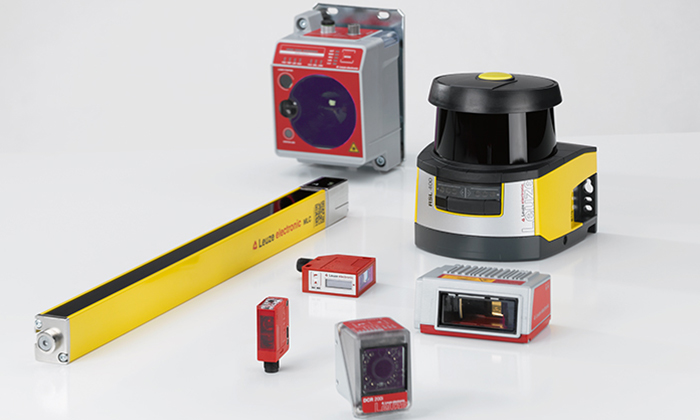
Material flow and distribution have become significantly more dynamic. This is driven primarily by sharply rising expectations for faster delivery times and changing purchasing behaviors, particularly the continued growth of online sales. To meet these demands, both the density of modern distribution and fulfillment centers and their technical infrastructure have been systematically expanded and optimized for high performance. Leuze offers a wide variety of sensor solutions to meet these requirements.
In the field of automated goods distribution and in-house material transport, such as in distribution logistics, different conveyor systems are used depending on the requirements, and, if buffer warehouses are connected, additional storage systems as well.
A simple classification can help provide better context: Transport systems means systems used to transport goods from a starting point to a destination. These can be used in production, distribution centers, and warehouse supply. Transport systems are categorized into different versions: continuous conveyors such as roller, chain, and belt conveyors, electrical monorail systems, and automated guided vehicles (AGVs) for particularly flexible routes.
The optimized technology for storage and retrieval in automated warehouses, on the other hand, is referred to as storage systems. Depending on the warehouse structure, level of automation and type of load carriers used, goods can be stored and retrieved using rail-guided stacker cranes or shuttle systems combined with elevators. The latter are particularly effective for handling containers and cartons on a single level. In addition, cranes are used, particularly for transporting heavy or bulky goods, as well as mobile racks to optimize space utilization. In large-scale warehouse environments, automated guided vehicles (AGVs) may also be used.
Frequently asked questions about intralogistics
Intralogistics refers to typically closed-loop material flow processes within a company in which load carriers are automatically transported, stored, retrieved, and moved to processing stations.
Different types of transport systems and load carriers are used to move goods through each stage of the process, with software coordinating and controlling the material flow.
Tasks range from presence and position detection, positioning, collision detection, and access or area guarding to the identification of goods carriers and objects.
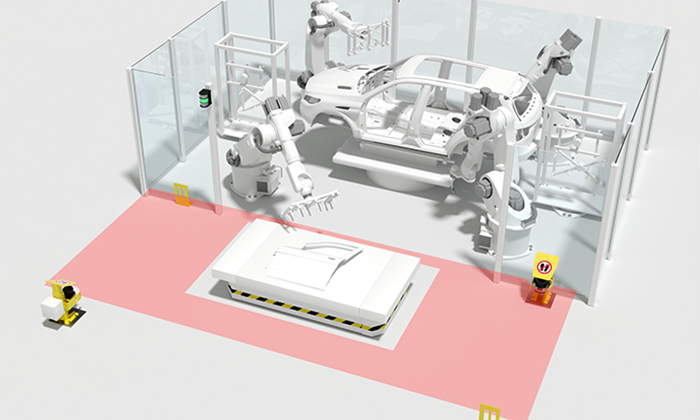
Along the conveyor lines and directly on the transport systems, there are numerous integration points for sensors used for object detection, position detection, and process monitoring. Safety sensors are also used, in particular, at material transfer points, access areas, and potential danger zones to monitor the safety of movements and to ensure personal safety in accordance with the relevant safety requirements.
One important aspect is process stability: The sensors enhance the reliability of the process by sending appropriate signals to the system control. Additional information, e.g. signal quality, is increasingly being used for preventive maintenance. The second aspect is operator safety. Safety sensors can reduce the risk of accidents and make processes safer.