





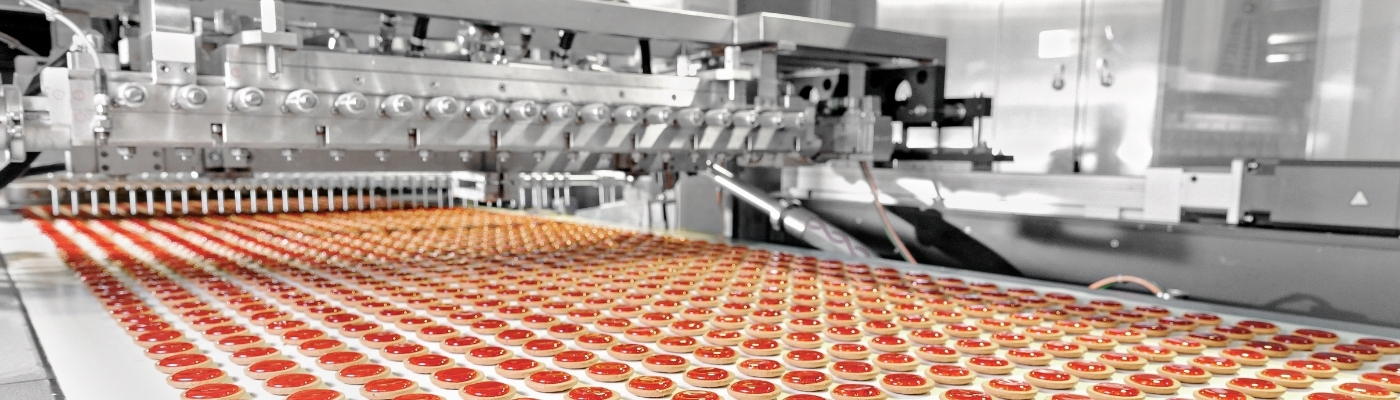
Sensors for primary packaging
Once products, mixtures, or liquids have been manufactured, they are usually immediately packaged or filled into what is known as primary packaging. This first layer of packaging primarily serves to protect the product from external influences and ensures its stability, freshness, or shelf life. At the same time – especially in the case of transparent packaging – it can also serve to present the product in an appealing way to the end consumer. In addition, it is often designed for easy handling and opening.
Depending on the product type, the primary packaging also contains mandatory information regarding contents, usage, and shelf life, as well as a unique identification code for traceability.
In the industrial sector, there is a growing focus on sustainable materials, recyclability, and minimizing environmental impact when it comes to packaging. Labels, barcodes, and RFID chips support traceability and transparency throughout the entire supply chain. The design of primary packaging is extremely diverse, ranging from bottles, cans, and films to cardboard boxes, canisters, and other packaging forms – depending on the specific product.
Your benefits with our primary packaging solutions

Transparency detection
Reliable detection of transparent and fully opaque objects and liquids

Radiation technology
Special light sources for reliable radiation detection of objects

Tracking function
Automatic threshold readjustment minimizes service intervals in dynamic systems
Primary packaging in the food and pharmaceutical sectors
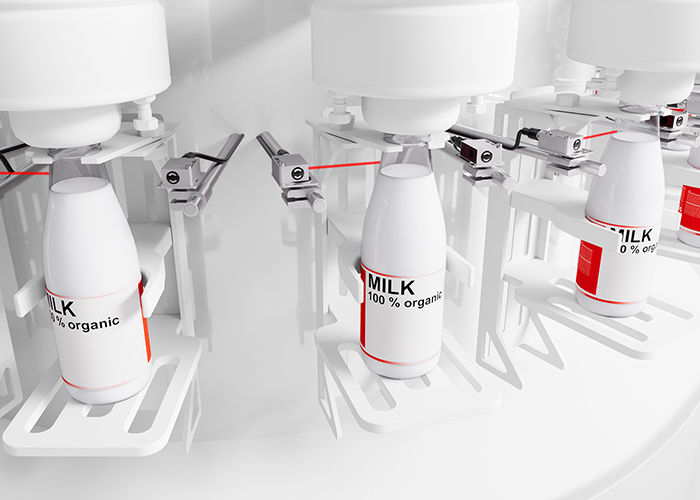
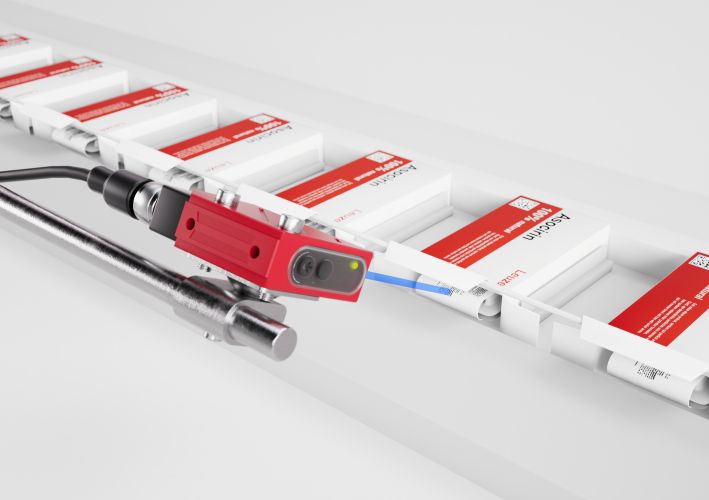
Depending on the specific sector, the first step of the packaging process involves different requirements for the machines and sensors used.
Customer projects and references
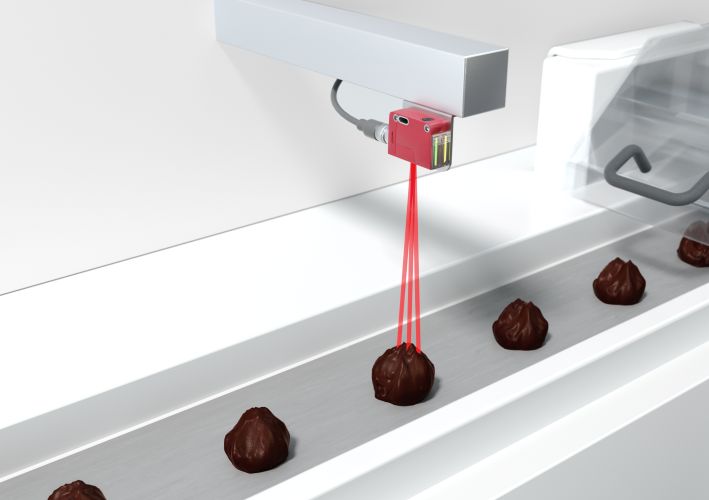
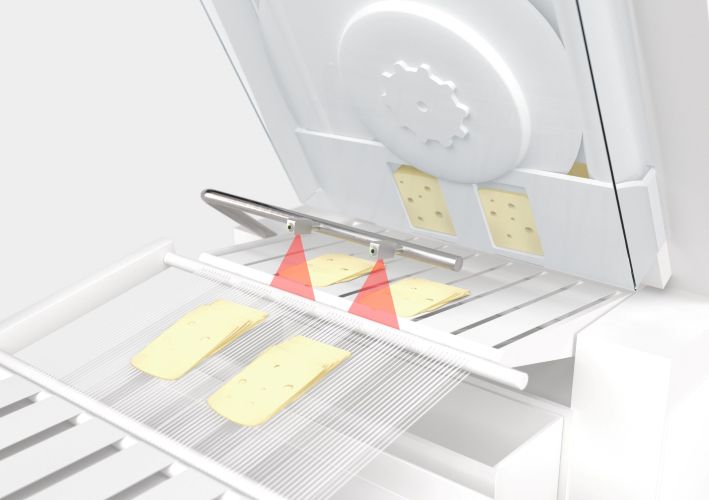
In several industry segments, optimized products are the key to a strong market position. A few recent examples, including case studies from the primary packaging sector, illustrate customer testimonials and application solutions. Increasing productivity and reducing costs are often the primary focus.
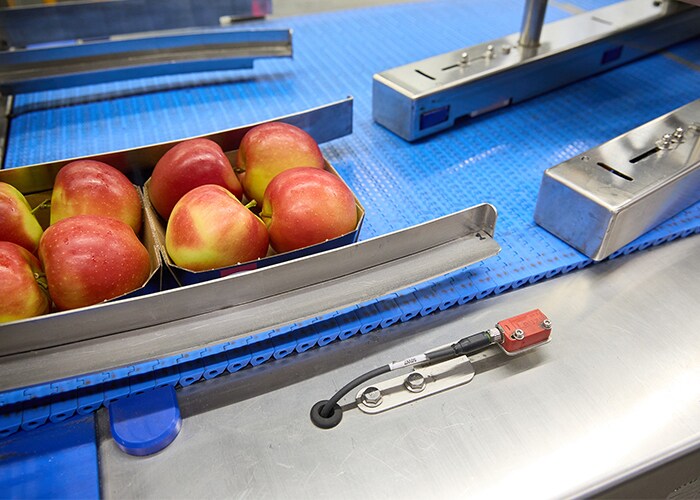
Safety solution at BayWa
The customer-specific safety solution developed for BAYWA Obst combines a high level of employee protection with an efficient process flow
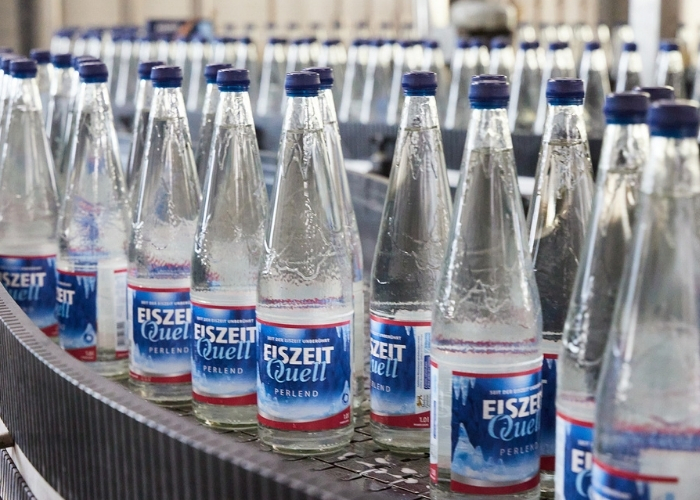
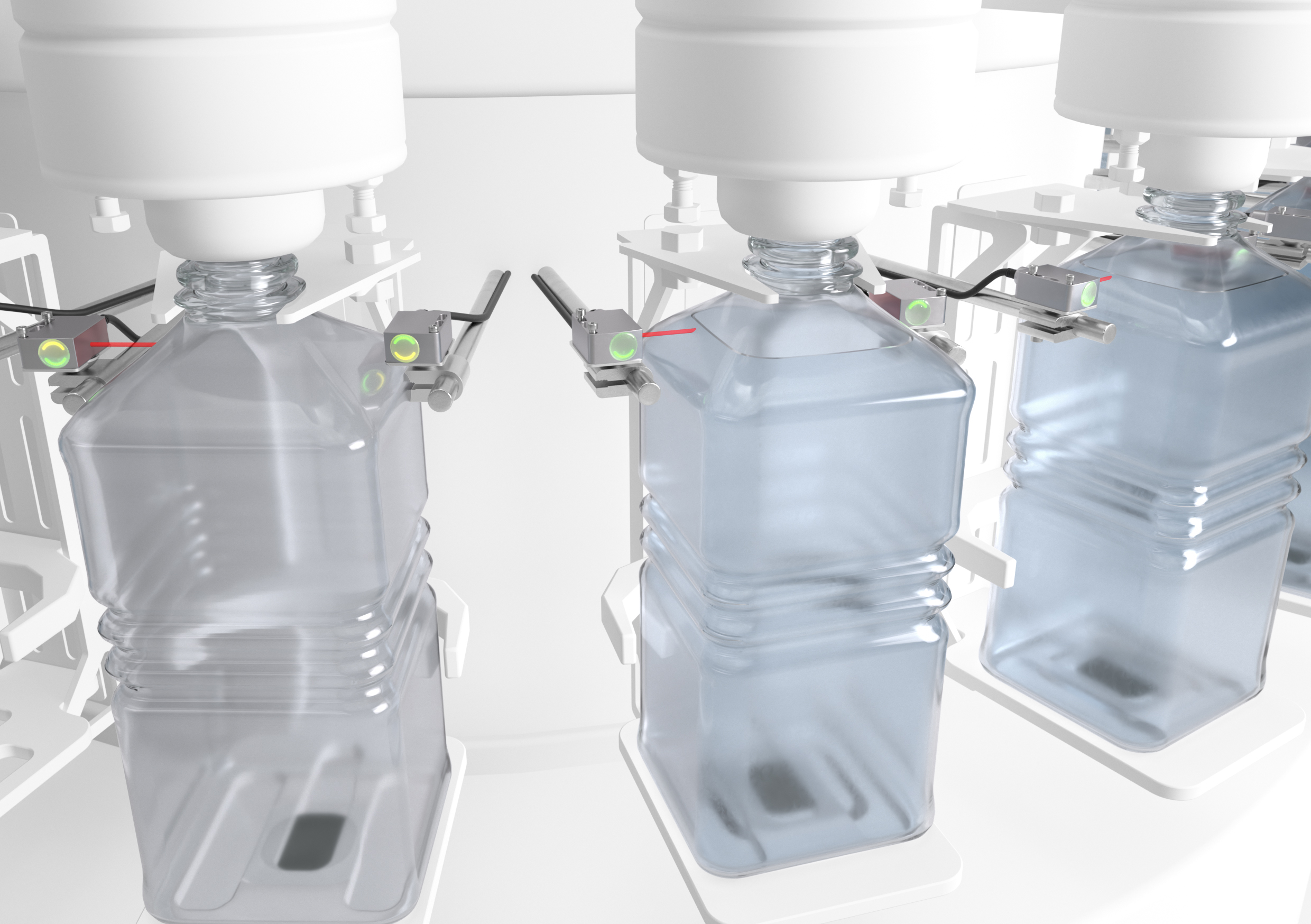
Beverage filling at Romina
Ice age in a bottle: Expansion of beverage filling at Romina Mineralbrunnen through the use of high-performance sensor technology
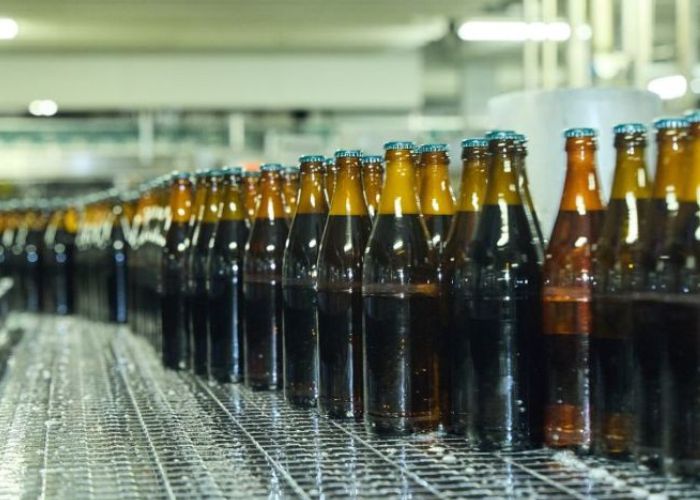
Beer bottling at Dinkelacker
Tradition meets automation: Robust sensor solutions ensure the highest quality and smooth beer bottling operations
Primary packaging: Sensor requirements
Primary packaging, as the first step in the packaging process, places a wide variety of demands on the machines and sensors used. In particular, the food processing industry – often collectively referred to as the food and beverage industry – is subject to strict hygiene and cleaning requirements that significantly influence the design and material selection of sensor technology. In other sectors, such as hygiene products or household goods, however, there are often fewer or no specific additional requirements.
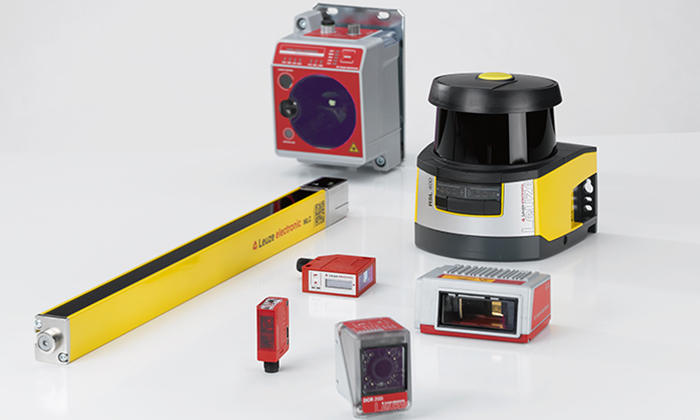
Leuze offers suitable sensor solutions for all areas of primary packaging. In addition to economic considerations, process-related requirements also apply to the sensors. These include, for example, high cycle speeds, fluctuating ambient temperatures, or fully transparent containers.
The sensor solutions cover all application areas of primary packaging and are available in hygienic, washdown, or robust industrial designs , depending on the area of application. They feature protection classes up to IP69K and Ecolab certification.

Frequently asked questions about primary packaging
The primary packaging directly encloses the product and must be used under appropriate conditions. Strict guidelines apply, particularly for hygiene-sensitive products, to prevent contamination during the process.
The difference lies not necessarily in the material used, but in the potential for contact with the product. Processing conditions and hygiene requirements are very strict for primary packaging, whereas the risk during further processing in secondary packaging is relatively low, and therefore less stringent standards apply there.
The requirements for machines and components vary depending on the product to be packaged and the potential for direct contact between the machine or machine parts and the object. In food processing, hygienic surfaces, intensive cleaning processes, and compliance with applicable guidelines and regulations are of central importance.
A wide variety of materials and shapes are used for packaging. In particular, the stability of the object to be packaged can affect the selection of suitable packaging solutions. Typical packaging formats have become established in the respective segments, such as plastic trays with sealing film in the meat processing sector, bottles in filling processes, and cartons in the dairy sector.
Stainless steel is characterized by high resistance to environmental influences and cleaning agents, as well as by its particularly smooth surface. The low surface roughness significantly reduces the adhesion of contaminants, microorganisms, and other residues. As a result, stainless steel is particularly well-suited for sterile processes and applications involving direct contact with food, where a high level of hygiene and cleanliness is required.